


Introduction
The silent, ubiquitous pollutant of the industrial age is Electromagnetic Interference (EMI) and radio frequency interference. Noise is what undermines performance, communication, and signal integrity of sensitive electronic devices. RF shielding (and specifically RFI shielding) is used in the language of industrial design to mean the protection against this undesired energy. It involves using RF shields—conductive or magnetic barriers—meant to ensure a safe electronic environment free from distinct electromagnetic radiation. To test the effectiveness of different RF shielding materials, you can set up controlled experiments by exposing electronic devices to known RF sources and then measuring the attenuation of interference with each shielding material in place. Using specialized equipment like spectrum analyzers or EM field strength meters, you can compare results to determine which RF shields provide the most reliable protection against unwanted electromagnetic radiation.
The role of this barrier is two-fold: it gives immunity (it does not allow external RF signals to enter the enclosure) and suppresses emissions (it does not allow internal energy to escape and disrupt other devices). The management of this interference is not only a technical requirement in an ever-connected and automated world, which is accelerated by high-speed data, 5G, nearby power lines and high-power industrial machinery; it is also a competitive requirement.
To the industrial hardware engineer and manufacturing expert, effective shielding is an important field of study that combines material science and mechanical engineering. The difficulty is in choosing the right material that provides the required attenuation without affecting the structural, thermal or cost considerations of the end product. This is a detailed guide to that selection process, with an emphasis on critical applications, telecommunications, and high-reliability enclosures. We leave theory and discuss the reality of implementation, durability, and structural integrity, understanding that the finest shielding material is of no use when the finished assembly is defective.
.webp)
What are RF Shielding Materials and How they work?
RF shielding materials are special materials that are used to minimize the transmission of electromagnetic signals by isolating sensitive areas against outside interference. These materials do not merely serve as passive physical obstacles to unwanted signals, but rather they actively control it according to their inherent conductive properties and magnetic permeability. Using these properties, the material forms a conductive enclosure or barrier that absorbs radio waves, so that signals do not typically penetrate the shield or escape the device, and thus the material ensures electromagnetic compatibility (EMC).
The effectiveness of these materials is measured by Shielding Effectiveness (SE) which is a measure in decibels (dB) which is the ratio of the incident field strength to the field strength that penetrates the shield. It is important to note that the dB scale is logarithmic, such that certain steps are exponential steps in protection. As an example, 30 dB attenuates 99.9 percent of energy (appropriate to general electronics), whereas a typical industrial standard of 60 dB—often required for critical components—means that only one-millionth of the incident power makes it through the shield. This is a high attenuation that is usually necessary to guard against complete system failure in infrastructure.
There are two main ways of shielding: Reflection and Absorption. The predominant process of high-frequency electric fields is reflection; when electromagnetic waves are incident on a material with high electrical conductivity (like copper or aluminum), the mobile electrons are excited by the field to reflect the energy back to the source. Nevertheless, at low frequencies of magnetic fields where reflection is less efficient, the material should be based on Absorption. In this, high-magnetic-permeability materials (steel or nickel alloys) absorb the wave and convert it to heat by electrical resistance (eddy currents) and magnetic hysteresis.
Basic Radio Frequency Shielding Materials
There is no one material that fits all specific applications. Engineers have to choose shielding according to a certain ratio of needs: Conductivity (to reflect high-frequency waves), Permeability (to absorb magnetic fields), and Form Factor (structural housings vs. flexible gaskets). Although solid metals offer the most effective RF performance theoretically, composite solutions are frequently needed in modern electronics to address weight limitations, surface irregularities, or environmental protection. The obvious choice for one project might fail in another due to weight limitations or environmental conditions. The most popular materials in the industry today are listed below.
- Copper: Copper is considered the gold standard of conductive shielding because it has the highest electrical conductivity and attenuation, and is therefore essential in blocking electric fields and high-frequency plane waves (Reflection). It is the main option when it comes to high-performance medical device applications such as MRI rooms and medical devices. Copper is however heavy, costly and can easily oxidize and in such cases protective coating may be necessary.
- Aluminum: As the industry workhorse, aluminum is a great conductor (approximately 60 percent of copper) at a fraction of the weight and cost. It is extensively applied in aerospace applications and mobile device cases. Its primary disadvantage is a natural non-conductive oxide coating, preventing electrical grounding, thus it normally needs chemical conversion coating (such as chromate) or plating to provide effective shielding connections.
- Steel & Tin-Plated Steel (SPTE): Steel, in contrast to non-ferrous metals, has magnetic permeability, which enables it to absorb low-frequency magnetic fields, and it is structurally rigid. Tin-Plated Steel is also used especially in Board-Level Shielding (BLS) since the tin coating provides high solderability and corrosion resistance. It is an economical solution commonly used in PC towers, power supply enclosures, and consumer electronics.
- Nickel Silver: This is a copper-nickel-zinc alloy Often referred to as silver nickel in the trade. It is valued because of its natural corrosion resistance and high solderability without post-plating. Although it is a bit less conductive than copper, its longevity and shiny silver appearance make it the choice of PCB shielding cans in telecommunications and cell phones where direct soldering is necessary.
- Mu-Metal: This is a nickel-iron alloy that is created to serve a single purpose, which is high magnetic permeability (around 100,000 times higher than that of steel). It is the sole practical remedy to the prevention of strong, low-frequency magnetic fields in very sensitive medical equipment, including electron microscopes and audio transformers. It is however costly and mechanically sensitive; any drop or bending of the material destroys its shielding properties and it has to undergo a re-annealing process to regain its shielding properties.
- Conductive Elastomers: These effective materials are used in a special purpose: they are used as an EMI shield, but also as an environmental barrier against water and dust (IP rating). They are the solution to uneven surfaces and are made up of elastomer base materials (silicone or fluorosilicone) filled with conductive particles (silver, aluminum, or nickel-graphite). They are best suited to outdoor electronics and military gear where a perfect metal-to-metal seal cannot be achieved.
- Knitted and Woven Wire Mesh: Wire mesh was used as the gasketing material prior to the advent of elastomers. These gaskets are made of knitted Monel, tin-plated copper-clad steel, or stainless steel, and are very strong and mechanically resilient. The mesh is physically bitten to cut through surface oxides to make contact. Nevertheless, they are not air and waterproof unless they are used together with a separate rubber seal, which is why they are most appropriate in heavy industrial doors and indoor cabinets.
- Conductive Coatings & Paints: These are liquid paints that contain conductive metals (nickel, copper, silver) and are sprayed onto the inside of plastic housings, where solid metal is not practical. They convert regular plastic enclosures (such as parts of a drone or handheld medical devices) into shielded Faraday cages. Although they are effective in the case of electric fields, they tend to provide poor magnetic shielding because they are not thick.
RF Shielding Materials Quick Comparison
In order to assist you in making trade-offs between conductivity, permeability, and physical constraints, the following table gives a high-level comparison of these materials in major engineering dimensions.
| Material | Mechanism | Best Frequency | Key Strength | Main Limitation | Best Application |
| Copper | Reflection | High (E-Field) | Max Conductivity | Heavy / Oxidizes | MRI, Medical Devices |
| Aluminum | Reflection | High (E-Field) | Lightweight / Cost | Oxide Layer Issues | Aerospace, Mobile Cases |
| SPTE (Steel) | Absorb + Reflect | Low to Med | Solderable / Rigid | Heavy | PC Towers, Board Shields |
| Nickel Silver | Reflection | High | Corrosion Resistant | Lower Conductivity | PCB Cans, Telecom |
| Mu-Metal | Absorption | Low (H-Field) | Ultra-Permeability | Fragile / Expensive | Electron Microscopes |
| Elastomers | Reflect + Absorb | Broad Range | Sealing (IP Rated) | High Compression Needed | Outdoor / Military |
| Wire Mesh | Reflection | Medium | High Durability | No Env. Seal | Heavy Industrial Doors |
| Conductive Paint | Reflection | High | Ultra-Lightweight | No Mag Shielding | Drones, Plastic Parts |
RF Shielding Products: There are Four Material Forms
The physics is determined by the raw materials, whereas the engineering is determined by the forms of application. Shielding products in industrial hardware are divided into four different forms based on their physical condition and the way they are installed:
Rigid Structural Components
This type is the RF shielding skeleton, which is based on solid metal frameworks to physically block electromagnetic waves.
- Board Level Shields: These are stamped metal cans, usually of Nickel Silver or Tin-plated Steel, that are used to enclose particular sensitive components on the PCB. They come in One-Piece designs that can be permanently soldered or Two-Piece designs that can have removable covers that can be removed during maintenance.
- Honeycomb Vents: These are hexagonal metal designs that serve as waveguides. They resolve the serious dilemma between airflow and RF blocking by permitting heat to escape and excluding electromagnetic waves at a specific frequency.
- Metal Enclosures: Die-cast aluminum or bent sheet metal full Faraday cages are used as the first line of defense of the whole device.
Elastic Sealing and Contact Elements
No enclosure is seamless. This category deals with the mating surfaces, which include lids, doors, and panels, to maintain electrical continuity and avoid leakage through openings.
- Elastomeric Gaskets and O-Rings: These are gaskets made of silicone or fluorosilicone filled with metal particles such as silver-aluminum or nickel-graphite. They are available in O-ring, D-profile, or flat washer forms and offer both environmental sealing and EMI shielding when subjected to high compression forces.
- Metal Fingerstock: These strips are stamped out of Beryllium Copper and are also referred to as BeCu Fingers. They are also very durable when used in frequent cycling and have low compression force, unlike rubber gaskets, which makes them suitable in server racks and industrial cabinets.
- Form-in-Place Gaskets: This is where conductive paste is applied by robots onto the housing. It creates an accurate gasket on intricate, small ridges that cannot be installed manually.
- Fabric-over-Foam: It is made of a soft urethane foam core covered in conductive fabric. It needs low compression force and is commonly employed to fill large and irregular voids in consumer electronics.
Flexible Wraps and Surface Coatings
These shapes convert non-conductive materials such as plastic housings into shields or handle non-uniform shapes such as cables.
- Conductive Paints and Plating: Sprayed paints with Copper, Nickel or Silver fillers, or Vacuum Metallization, are used on the inside of plastic injection molded components. This enables light designs without compromising shielding performance.
- Shielding Foils and Tapes: Tapes made of copper or aluminum with conductive adhesive are used as EMC solutions to make quick fixes, seal seams in HVAC ducts, or wrap cables.
- Conductive Fabrics and Meshes: Flexible shielded tents, curtains or braided cable jackets are made by weaving metal-coated fibers, which must bend and twist.
.webp)
Optical Solutions and Absorptive Solutions
Transparency and internal resonance are dealt with by specialized forms of specific interface requirements.
- Shielded Windows: Display screens are made of glass or polycarbonate with a fine Wire Mesh or a transparent conductive coating such as ITO where visual clarity is required to coexist with RF isolation.
- Microwave Absorbers: These are rubber-like sheets that are flexible and loaded with magnetic substances. In contrast to shields, which reflect energy, absorbers are placed on internal walls to convert RF energy into heat, removing cavity resonance and internal reflections.
The way to choose the appropriate radio frequency shielding materials
The choice of the appropriate material is a multi-variable optimization problem that should be considered in the mechanical design. Leaving this step aside is like putting a lock on a barn door after the thieves have gone. Engineers need to balance the following six strategic factors to guarantee performance and manufacturability.
Identify the Material with the Interference Source
The most widespread error is to think that high conductivity is the solution to all the problems. The first thing you have to do is to determine the type of interference. In the case of High-Frequency Interference (>10 MHz), e.g. Wi-Fi, 5G, or GPS signals, the desired outcome is reflection. In such instances, it is better to use high conductivity materials such as Silver-plated or Copper-based elastomers, or just Aluminum foil. But when you are working with Low-Frequency Noise (60 Hz -1 kHz) such as power supply hum, conductivity is almost useless since the magnetic flux will go through it. Rather, you need to focus on magnetic permeability to capture and deflect the field, and Steel or thick Nickel-Iron alloys are the only viable choices.
Measure Performance and Add a Safety Margin
Laboratory performance is seldom comparable to actual performance. A material with a given shielding effectiveness (SE) in a controlled environment will tend to deteriorate in the field because of assembly tolerances, gasket aging, and imperfect compression. Thus, engineers are to use the 20 dB Rule. Divide the difference between your source strength and the regulatory limit by 20 dB and add the 20 dB buffer. When you need 40 dB of attenuation in your calculation, do not pick a material with a rating of 40 dB; pick a material with a rating of 60 dB. This safety margin will make the device stay within the lifecycle of the device.
Avert Corrosion through Galvanic Compatibility
The silent killer of shielding effectiveness is corrosion. The finest gasket cannot work when the electrical connection to the enclosure is destroyed by oxidation. This happens when two unlike metals come into contact with each other in the presence of moisture, which forms a battery effect (galvanic corrosion). To avoid this, test the galvanic potential of your enclosure with your gasket. To illustrate, one should never use a Silver-filled gasket with an Aluminum enclosure without protection since the possible difference is excessive. Rather, Nickel-Graphite filled silicones should be used; they are galvanically compatible with aluminum, stable, and preserve the electrical bond with time.
Assess Mechanical “Memory” of Long-Term Sealing
Constant uniform pressure is necessary to shield. When the gasket material has a bad compression set, i.e. it flattens and does not spring back, gaps will occur, and RF leaks will be created. The material is determined by the frequency of access. In the case of daily access panels, do not use cheap neoprene or foam-based shields. Rather, indicate durable Wire Mesh or high-quality Silicone Elastomers. More importantly, you should not exceed the deflection limit: as a rule, conductive elastomers are supposed to be compressed by 10-25 percent of their height. Compressing them more than 30 times may permanently damage the internal conductive network, making the shield fail even though it may appear intact.
Trade off Cost and weight against function
Excessive engineering is just as bad as inadequate engineering. The selection of materials should be in accordance with the financial and physical limitations of the use. In mass-produced consumer electronics where weight is a penalty, solid machined housings should be replaced by Conductive Paints on plastic or Stamped Metal Cans (Board Level Shielding). On the other hand, in heavy industrial equipment where durability is the most important, plated Cast Iron or Steel offers strong protection at a relatively low price of precious metals. Moreover, although Silver-plated copper is the most effective conductor, Nickel-Graphite can offer 80% of the performance at only 20% of the cost, which is the wiser option in most business uses.
Make sure Regulatory and Safety Compliance
Lastly, a material may be shielding, but when it does not meet safety standards, the product cannot be launched. The materials employed in consumer or industrial equipment should comply with stringent flammability and toxicity standards. Always ensure that the material used has UL 94 V-0 certification before making a final selection, as this will ensure that it will extinguish itself in the event of a fire. Failure to do this may result in disastrous compliance failures in the last phases of product certification.
Real-life Application of Radio Frequency Shielding Materials
The pain points in different industries are different: extreme temperature changes, huge magnetic fields, etc. and they are strictly determined by the choice of material. No universal shield exists; what works perfectly in a smartphone will be disastrous in an MRI room. The next guide explains how to manoeuvre material selection in high-stakes critical environments.
- Medical Imaging (MRI Rooms): MRI facilities are the most shielding-demanding facilities, typically requiring more than 100 dB of attenuation to provide image clarity. The most important limitation in this case is the huge magnetic field produced by the machine, which transforms ordinary ferrous materials (such as steel or nickel) into lethal projectiles. Thus, the industry standard is based on the use of Pure Copper Foil in the construction of the walls and the use of Beryllium Copper Fingerstock in the heavy sliding doors. The choice of copper is due to its maximum electrical reflection of RF waves, non-magnetic and non-hazardous nature. In the case of the doors, mechanical fingerstock is used as opposed to elastomers since it ensures consistent contact in high friction and does not deteriorate physically with years of use. Installers should however be very careful in terms of cleanliness; even a single fingerprint on the copper during installation can cause oxidation several years later, resulting in an RF leak that reduces image quality.
- 5G Telecommunications (Outdoor Base Stations): In the telecommunications industry, the equipment works at high frequencies (GHz range) with short wavelengths, i.e. even microscopic distances will lead to leakage of the signal. To make it worse, these units are placed on towers that are exposed to rain, salt spray and UV radiations. A typical silver gasket would oxidize and break in a few months. The best engineering option in this case is Fluorosilicone filled with Nickel-Graphite particles. Fluorosilicone offers the strong environmental seal required to withstand the extreme weather conditions, and Nickel-Graphite is chosen due to its galvanic compatibility with the aluminum die-cast housings that are typically employed in base stations. This combination eliminates the battery effect (corrosion) that would otherwise ruin the electrical bond. In designing to this industry, the gasket route should be a continuous loop; any splice or break is a possible source of entry of moisture which will ultimately destroy the electronics.
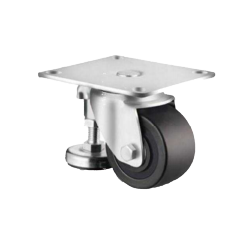
- New Energy and EV Power Systems: Electric Vehicles (EVs) and renewable energy inverters, unlike telecom, are high-power switching, which causes enormous low-frequency magnetic interference (H-field). The conductive material such as copper or aluminum is practically transparent to these low-frequency fields and will not prevent the noise. Engineers need to use Carbon Steel or Nickel-Iron laminates to shield sensitive digital control logic against the hum of high currents. These are the only ferromagnetic materials with the high magnetic permeability needed to absorb and divert the flux lines. The trade-off in this case is weight and thermal management; these magnetic shields need to be fairly thick to be useful, structural hinges and mounts have to be heavy-load-rated, and the design has to be such that the shield does not trap heat generated by power components.
- Aerospace and Defense Electronics: Aircraft electronics are under a triple threat: they have to be extremely lightweight, be resistant to exposure to harsh chemicals such as jet fuel and hydraulic fluid, and be resistant to Electromagnetic Pulses (EMP). Jet fuel will dissolve or swell standard silicone resulting in seal failure. As a result, Fluorosilicone (FVMQ) based elastomers are the only option that is mandatory. In the case of the conductive filler, the standard of choice is Silver-Aluminum since it has the high conductivity needed to meet MIL-STD standards and is much lighter than pure silver or copper fillers. The most important oversight to prevent in aerospace is galvanic corrosion; the gasket material should be chosen with great care to the protective coating of the airframe (typically chromate conversion coating) to make the joint stable even at high altitudes and varying pressures.
- Environmental Test Chambers: These are chambers that are used to test products at extreme temperatures, usually alternating between -70 o C and +260 o C. The metal door in this environment swells and shrinks considerably, forming a dynamic gap that the gasket has to fill. Normal rubber gaskets cannot be used because they would either melt during high temperatures or break at low temperatures. The only possible option is Knitted Stainless Steel or Monel Mesh with high temperature fiberglass core. The heat that kills the polymers does not affect the metal mesh and the metal mesh retains its mechanical springiness (recovery) to close the warping door. But due to the abrasiveness of metal mesh, the cabinet design should have hardened wear strips on the mating flange to ensure that the gasket does not saw through the surface during thousands of open-close cycles.
- Portable Consumer Electronics: In handheld products such as ruggedized tablets or drones, no space is available at all to use large gaskets, and weight reduction is the main factor. Mass production of solid metal enclosures is usually too heavy and costly. The most common solution is a hybrid one: applying Conductive Paints (Nickel/Copper) onto the inside of plastic housings to form a lightweight Faraday cage. Form-in-Place (FIP) conductive gaskets are sprayed onto the casting to form small, accurate seals that conserve space when internal component separation is required. It should be mentioned that paints are good conductors of electric fields but poor conductors of magnetic fields. In the event that the device contains a powerful magnetic source, e.g., a wireless charging coil, further localized shielding with thin Mu-metal foil can be necessary to avoid interference.
Typical RF Shielding Failure Causes
In the event of an RF shielding solution failure, it is not often due to the loss of intrinsic conductivity of the material. Rather, environmental degradation, design oversight, or, most importantly, mechanical inconsistency is nearly always the cause of failure. These failure modes are critical to understand in order to prevent them.
Galvanic Corrosion (The “Battery Effect”)
This is the one most frequent cause of long-term failure in severe environments. When a conductive gasket (e.g., Silver-filled silicone) is clamped to a metal housing (e.g., Aluminum) under the influence of humidity, the two dissimilar metals form a galvanic cell. This reaction quickly corrodes the flange forming a layer of non-conductive oxide that interrupts the electrical flow. To avoid this silent corrosion, engineers should focus on galvanic compatibility, including using Nickel-Graphite filled gaskets instead of Silver on Aluminum enclosures, or using a dual-seal design to keep moisture out of the conductive interface altogether.
Inadequate Surface Preparation of Mating
A high-performance gasket cannot work when it is placed on a non-conductive surface. One common manufacturing mistake is to apply protective finishes, like paint, powder coating, or anodization, to the whole enclosure, including the flange where the gasket is located. These finishes are electrical insulators, so the gasket does not touch and therefore does not conduct. To work, the mating flange should be conductive. This involves covering the area when painting and applying a conductive conversion coating, like Chem Film or Electroless Nickel, to ensure a low-resistance metal-to-metal bond.
The “Slot Antenna” Effect
Wavelengths are incredibly short at high frequencies (e.g. 5G). When the distance between fasteners is excessive, the slots between points of contact may serve as slot antennas. These gaps do not block energy but resonate and emit energy in or out of the enclosure. To counter this effect, a design with a minimum distance between contact points (pitch) is needed. To achieve a continuous seal over long spans, engineers need to make sure that the spacing between fasteners is much less than the wavelength of the interference, which may involve stiffening bars or several compression points.
Material-Frequency Mismatch
The reason is that failure is common due to the mismatch of the material chosen with the physics of the interference. As an example, shielding with copper foil of high conductivity to prevent low-frequency power transformer hum (magnetic field) will fail since copper has almost zero magnetic permeability. To avoid this trap, it is necessary to define the source of interference first: use high-permeability metals such as Steel or Mu-Metal to absorb low-frequency magnetic flux, and use copper or aluminum to reflect high-frequency electric fields.
Mechanical Instability and Compression Loss (The Hidden Culprit)
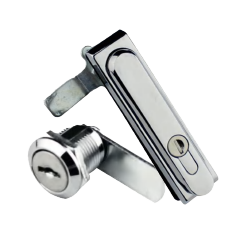
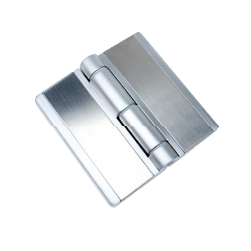
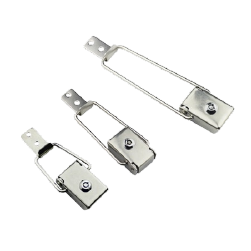
Most high-performance enclosures fail at the ultimate not due to the shielding material, but because of the mechanical instability of the system. Even the most sophisticated conductive gasket becomes useless when it is not possible to compress it properly and evenly over time. The door panel is warped or bowed when the standard hinges are not strong enough to hold the weight of heavy shielded doors, or when the latches used are of poor quality and the force is unevenly distributed. This poses a very serious weakness in that the performance of the whole system will completely depend on the stability of the hardware that supports it.
Any imperfection in a perfect seal will leave a hole that will serve as a slot antenna, which will provide a route to severe electromagnetic leakage and will instantly lead to non-compliance. The effect of this mechanical instability is disastrous, especially in high-frequency applications such as 5G. The table below illustrates graphically how a minor gap can be fatal even to Shielding Effectiveness (SE):
| Gap Size (Non-Uniform Compression) | Typical Leakage Frequency | Shielding Effectiveness (SE) Loss |
| 1.0 mm | GSM/3G (900-2100 MHz) | SE can drop by 30-40 dB |
| 0.1 mm (Hairline Gap) | 5G/Wi-Fi (2.4-5 GHz) | Compromises SE by 10-20 dB |
Note In RF engineering, a 10 dB decrease in Shielding Effectiveness implies that the leakage power is multiplied by 10. Since a 1 mm gap can cause a 40 dB loss in SE, the power that gets through that gap is actually 10,000 times higher than desired. Such severe inability to damp the signal immediately causes the violation of necessary thresholds, resulting in the failure of expensive Electromagnetic Compatibility (EMC) or RF compliance tests. The shielding material is only capable of working to its rated specification when the hardware is always sub-millimeter accurate.
Compression Set is a problem with all conductive gaskets, as they lose elasticity and shrink with time, and the selection of hardware is a significant consideration in long-term operational expenditure (OpEx). Using standard, fixed hardware necessitates regular replacement of gaskets, which results in huge recurrent expenses, and replacement cycles of a high-performance gasket would cost an estimated 500 to 1,500 per door. Conversely, when Adjustable Compression Latches are used, operators can easily clamp the latch by 1-2 mm to regain the initial seal pressure as the gasket relaxes. This adjustment is usually less than 50 in labor, and allows the system to increase the service life of the gasket by a noticeable amount, thus turning a repeat maintenance cost into a low-cost, low-cost operation.
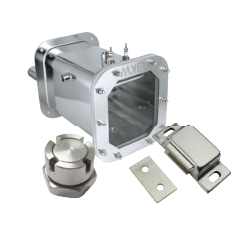
Precision hardware is the basic need of guaranteed, long-term RF sealing and optimized OpEx. The emphasis on the material and neglect of the mechanism results in unreliable and expensive static solutions. This is the mechanical difficulty that KUNLONG deals with. Discover how KUNLONG engineered hardware solutions can offer the mechanical integrity required to assist in meeting the stringent RF performance requirements.
KUNLONG: Accuracy in Compression and Seal Control
We at KUNLONG essentially fill the gap between material science and mechanical precision. We know that the theoretical performance of the best shielding material is immediately destroyed by a micro-gap or a millimeter of misalignment. To remove this risk, our manufacturing process has an ultra-precise error control of 0.0005mm which ensures the precise alignment needed to close high-frequency leakage paths.
We are not just suppliers of components, we are engineering partners. Our 150+ proprietary solutions have been developed with a team of 30 senior engineers with an average of more than 10 years experience to meet the complex sealing and load needs. Be it a critical gasket compression ratio needed in your project or hinges needed to hold up very heavy shielded doors without sagging, our hardware is machined to the task.
Our promise is reliability. Each product batch is subjected to 15 intensive quality checks and 1000-hour salt spray testing, which ensures the long-term corrosion resistance that is essential in the defense of your conductive grounding path. Certified to ISO, CE, and RoHS quality management systems, KUNLONG offers the mechanical assurance your RF shielding plan can never do without.
RF Shielding Optimization Strategies and Future Trends
RF shielding is a fast-changing field, with the main drivers being the need to have higher operating frequencies (such as 5G/6G) and the need to have lighter and smarter devices.
The future of industrial and communications enclosures is proactive, smart monitoring. This trend incorporates the IoT functionality into the sealing hardware. An example is that smart handles or latches can now be used to measure gasket compression force in real-time. In case the tension decreases because of the aging of the material or thermal cycling, the system immediately indicates a possible RF leak, shifting the failure detection to proactive prevention instead of reactive maintenance. This technological change enables systems to retain optimum shielding efficiency during their working life.
The need to have lightweight and customized shielding is pushing the innovation in the use of materials. Additive Manufacturing (3D Printing) is radically transforming the way shielding enclosures are obtained. The plate metal layers are being deposited onto 3D-printed polymers through processes that are making it possible to create custom, complex geometries that are incredibly lightweight and could not be machined before by traditional methods. This enables quick prototyping and mass production of highly customized shielded housing structures, which saves a lot of money and time in development.
One more important trend is the change in the way of purchasing industrial components. Customers are no longer purchasing separate parts (gaskets, hinges, locks) but are instead looking to purchase complete enclosure solutions. This type of procurement focuses on system integration whereby the structural hardware, thermal management, and shielding elements are integrated into a single tested package. This makes everything galvanically compatible and performance-tested as a complete unit, which offers one point of responsibility and a guaranteed system performance.
.webp)
Conclusion
RF shielding in the industrial environment is a multi-disciplinary problem, being at the interface of electromagnetic theory and mechanical reliability. Although the potential attenuation is determined by the material used, such as silver-plated elastomer or Monel mesh, the real, long-term performance is determined by the structural integrity of the enclosure.
To manufacturers, the way to reliability is obvious: specify the necessary SE with a large margin, choose materials depending on frequency and environmental friendliness, and most importantly, specify strong industrial hardware to ensure the seal against environmental and mechanical deterioration. Companies can turn their enclosures into electronic fortresses of safety and security by concentrating on quality hardware and holistic structural sealing.
FAQS
Q: What material can block RF?
A: Conductive metals like copper, aluminum and brass are good RF blockers because they reflect and absorb electromagnetic energy.
Q: Which is better RF shielding; copper or aluminum?
A: Copper is typically a better RF shielding material because of its higher conductivity, whereas aluminum is a good RF shielding material at a lower cost and weight.
Q: How to block RF frequencies?
A: RF may be prevented by surrounding the source or target with conductive material, shielding enclosures or foils, and proper grounding to be most effective.