


Introduction
The integrity of a mechanical seal is not just a maintenance issue in the demanding environment of industrial fluid dynamics; it is the key determinant of systemic reliability. Mechanical seal contaminants serve as a silent guardian at the border of continuity of operation and disastrous downtime. The effects of the violation of this barrier extend well beyond the direct loss of fluid. The costs of seal failure are always high, both in terms of the unbudgeted costs of emergency repairs and environmental remediation and in terms of the big risks to personnel safety. To comprehend the mechanics of these failures, it is necessary to switch to proactive engineering analysis rather than reactive observation.
This article offers an in-depth analysis of the variables that control the life of seals in machinery, which can serve as a technical guide to engineers and operators to detect, reduce, and eventually avoid the recurrence of sealing system failures in high-stakes settings.
What is Seal Failure
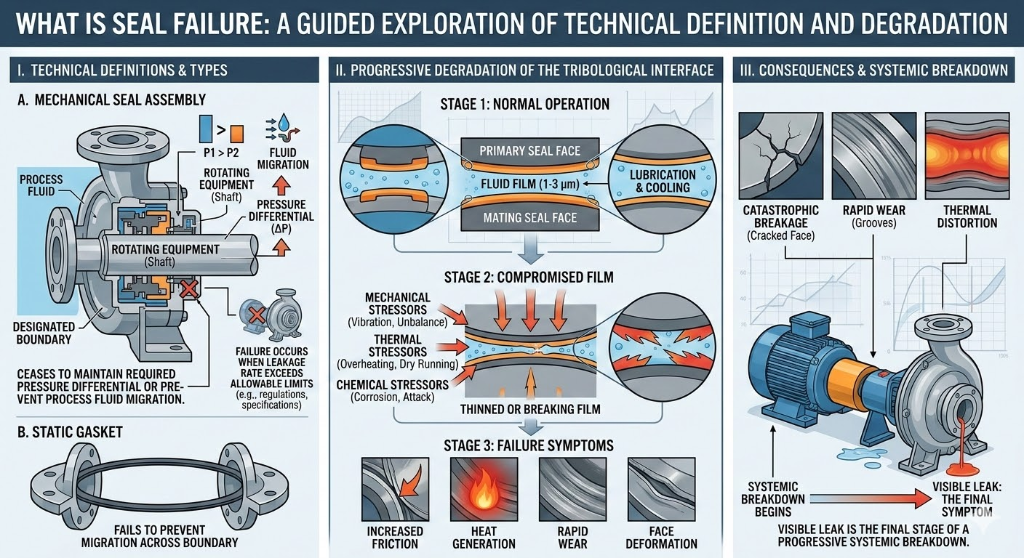
Technically, seal failure is the loss of a sealing device, a complex mechanical seal assembly or a static gasket, to sustain the necessary pressure difference or to prevent the passage of process fluid across a specified boundary. When it comes to rotating equipment, e.g., centrifugal pumps or mixers, the leakage rate is usually considered to be in failure when it is higher than the permissible values set by the environmental regulations or equipment specifications, which can be caused by improper alignment.
Nevertheless, failure is not often a dichotomous phenomenon. It is commonly a gradual erosion of the tribological interface between the primary and mating seal faces. This interface is based on a microscopic film of fluid, usually in micrometers, to offer lubrication and cooling. When this movie is damaged by mechanical, thermal, or chemical stressors, the friction that occurs causes rapid wear, deformation of the face, or disastrous breakage. Thus, the awareness of common types of seal failure is the ability to realize that the observable leak is only the tip of the iceberg of a system failure that probably started a long time before the first drop of the leakage was noticed.
How to Recognize the Early Symptoms of Seal Failure
The key to good reliability management lies in the ability to detect the pre-failure indicators early. The waiting of a visible pool of fluid under a pump is a tactic that ensures maximum costs of repair. Rather, experienced technicians observe the minor changes in equipment behavior that indicate the worsening seal environment.
The most frequent initial symptom is an alteration of the acoustic profile of the machine. Squealing or chirping at high frequency is a frequent sign of dry running or absence of lubrication at the seal faces. On the other hand, a rhythmic metallic clatter can indicate that some internal parts, including springs or drive pins, are out of place or are under mechanical contact. Also, it is important to observe the temperature of the seal gland; localized rise in temperature is usually the precursor to hardening of elastomers and subsequent crystallization of process fluids. The following checklist offers a stringent diagnosis framework to help maintenance teams:
| Diagnostic Dimension | Inspection Item | Typical Observation | Potential Underlying Issue |
| Acoustic Anomaly | Abnormal noise | High-pitched squealing or “screaming” | Lack of lubrication; dry running |
| Acoustic Anomaly | Abnormal noise | Consistent metallic clicking or popping | Internal component interference; face carbonization |
| Visual Anomaly | Deposits / wear signs | Accumulation of “black dust” or solids | Face wear; carbon face degradation |
| Visual Anomaly | Leakage condition | Steady, rhythmic dripping of process fluid | Face distortion; O-ring failure |
| Visual Anomaly | Thermal damage marks | Discoloration or “heat tint” on metal parts | Excessive heat; inadequate cooling |
| Thermal Anomaly | Local temperature rise | Localized temperature spike >15°C above process | Friction; PV (pressure–velocity) limit exceeded |
| Vibrational Anomaly | Vibration signature | High-frequency harmonics at the seal gland | Misalignment; bearing failure |
| System Parameter Anomaly | Buffer/barrier fluid pressure condition | Unstable pressure in seal pot or signs of process fluid contamination | Seal support system pressure control issues; barrier fluid failure; seal leakage causing contamination ingress |
| Shutdown Inspection Finding | Shaft/sleeve surface condition | Score marks, fretting, or wear on shaft sleeve near seal area | Improper seal-to-shaft interaction; poor lubrication; particle contamination; improper installation |
Root Causes: Why Do Mechanical Seals Fail
It is easy to determine what has occurred, but it takes a forensic method to determine why. Statistical evidence indicates that almost 80 percent of mechanical seal failures can be attributed to the most common reasons, which fall into four major categories of stressors.
Operational Errors and Dry Running
The most common cause of premature seal failure is dry running. Since mechanical seals use a thin film of lubricant, the lack of this film, even for a few seconds, results in immediate heat production. This thermal shock may lead to hard face (silicon carbide) heat checking, which causes microscopic radial cracks. The operational mistakes, like turning on a pump before it is completely primed or letting a tank run dry, form a vacuum or gas pocket that deprives the seal faces of the lubrication they require. The resulting friction raises the face temperature exponentially, which in most cases surpasses the capacity of the secondary sealing elements (O-rings) and causes complete system failure.
Chemical and Thermal Degradation
Each seal material has a certain envelope of chemical compatibility and thermal stability. Failure is caused when the process fluid changes the physical properties of the seal components. As an example, an elastomer O-ring can undergo swelling when subjected to incompatible solvents, and lose its flexibility, and thus become unable to provide a seal. On the other hand, excessive heat may result in the process of carbonising or coking the fluid on the seal faces forming an abrasive layer that grinds the mating surfaces. The failure in such cases is not a mechanical failure but a failure in the original material selection process, where the operating parameters were either misinterpreted or modified over time.
Installation and Alignment Issues
A mechanical seal is a fine tool, but it is frequently fitted in with a hammer blow. The most frequent installation mistakes are improper setting of the working length of the seal (over-compression or under-compression), which changes the closing force on the faces. Moreover, the lack of alignment between the pump and the motor is a silent killer of seals. When the shaft is not perfectly concentric with the seal bore, the seal faces are required to undergo a wobbling motion thousands of times per minute. Such cyclic loading results in disproportionate wear patterns and ultimately results in the cracking of the primary ring or fatigue of the bellows.
Mechanical Factors
In addition to the seal, the overall mechanical well-being of the rotating system determines seal life. Unbalanced impellers, worn bearings or bent shafts cause excessive vibration, which is a slow poison to the sealing interface. Vibration causes the stable fluid film between the faces to be broken so that intermittent contact occurs resulting in chipping. Also, the seal faces may open temporarily under high-load conditions due to so-called shaft whip or deflection, which permits the entry of abrasive particles into the interface. These mechanical disturbances are a catalyst; they increase the wear and make sure that even the best seal will not last long in case the rest of the equipment is not well maintained.
Strategic Prevention and Maintenance Best Practices
Preventing seal failure is an exercise in engineering discipline. It requires a holistic view of the system, ensuring that every variable—from the molecular structure of the O-rings to the physical alignment of the drive train—is optimised.
Material Selection: Matching Seal Specs to Operating Parameters
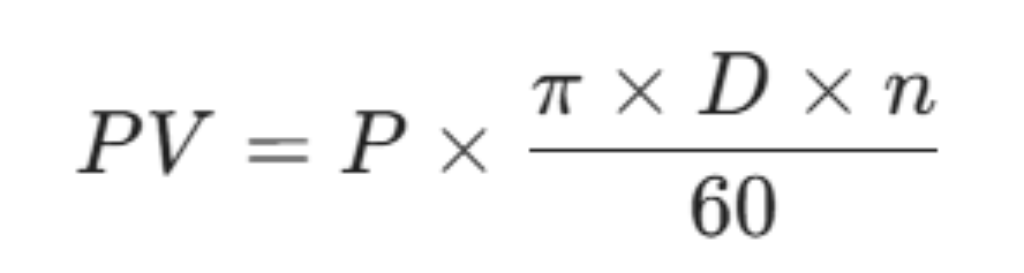
The first line of defense is ensuring that the seal is “fit for purpose.” This involves a rigorous review of the PV value (the product of the pressure P on the seal faces and the velocity V of the rotating face). The PV value defines the limits of the material’s ability to maintain a lubricating film.
Engineers must select face materials (e.g., Tungsten Carbide vs. Carbon Graphite) and elastomers (e.g., Viton vs. EPDM) that can withstand the maximum projected pressures, temperatures, and chemical concentrations of the application.
Precision Alignment and Installation Protocols
Precision alignment is an industrial reliability tuning tool. The use of laser alignment equipment to make sure that the shafts of the motor and pump are within 0.05mm of concentricity is not negotiable to long seal life. Cleanliness is the most important during installation; a fingerprint or a speck of dust on the seal faces can form a leak path. Moreover, technicians should make sure that the seal is fitted to its proper design length to achieve the proper balance ratio, which is to have a sufficient closing force to prevent leakage and at the same time, the closing force should be low enough to permit lubrication.
Regular Maintenance and Monitoring
The antecedent to failure is a set it and forget it attitude. An effective maintenance program includes frequent vibration analysis and thermography. Technicians can detect bearing wear or misalignment by observing the vibration spectrum before these forces can cause the seal to be damaged. Also, the use of API (American Petroleum Institute) seal plans, including Plan 11 (recirculation) or Plan 53 (external barrier fluid), is used to make sure that the seal is functioning in a controlled environment, flushed of heat and debris and operating around the best efficiency point.
Industry-Specific Challenges of Seal Failure
Seal failure in different industrial sectors is very different, with certain environmental catalysts determining the rate of systemic degradation and potential chemical degradation. It needs a tailored engineering approach to overcome the idiosyncratic stressors that make a generic, one size fits all approach inherently flawed:
- Oil and Gas: Hydrogen embrittlement of metal bellows and possible explosive decompression of secondary elastomers are caused by high-pressure operations and exposure to sour gases such as H 2 S.
- Food and Beverage: Hygiene is the most important; seals should be able to withstand caustic Clean-in-Place (CIP) treatments and high temperature steam without supporting bacterial growth or experiencing material degradation.
- Chemical Processing: Focuses on complete containment of toxic or volatile media, commonly with dual-pressurized seals to make sure that any primary leakage is of a harmless buffer fluid instead of the process medium.
- Water and Wastewater: Equipment should be able to work with abrasive slurries and suspended grit which is a grinding paste and leads to rapid erosive wear at the primary seal interface.
- Power Generation: Systems are concerned with extreme thermal cycling and high velocity steam, which may cause rapid thermal fatigue and physical distortion of rotating assemblies.
How KUNLONG High-Performance Couplings Eliminate Failure at the Source
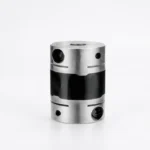
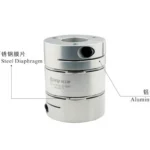
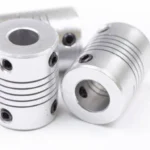
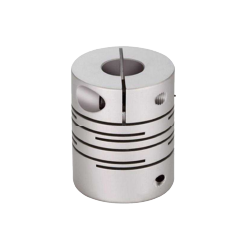
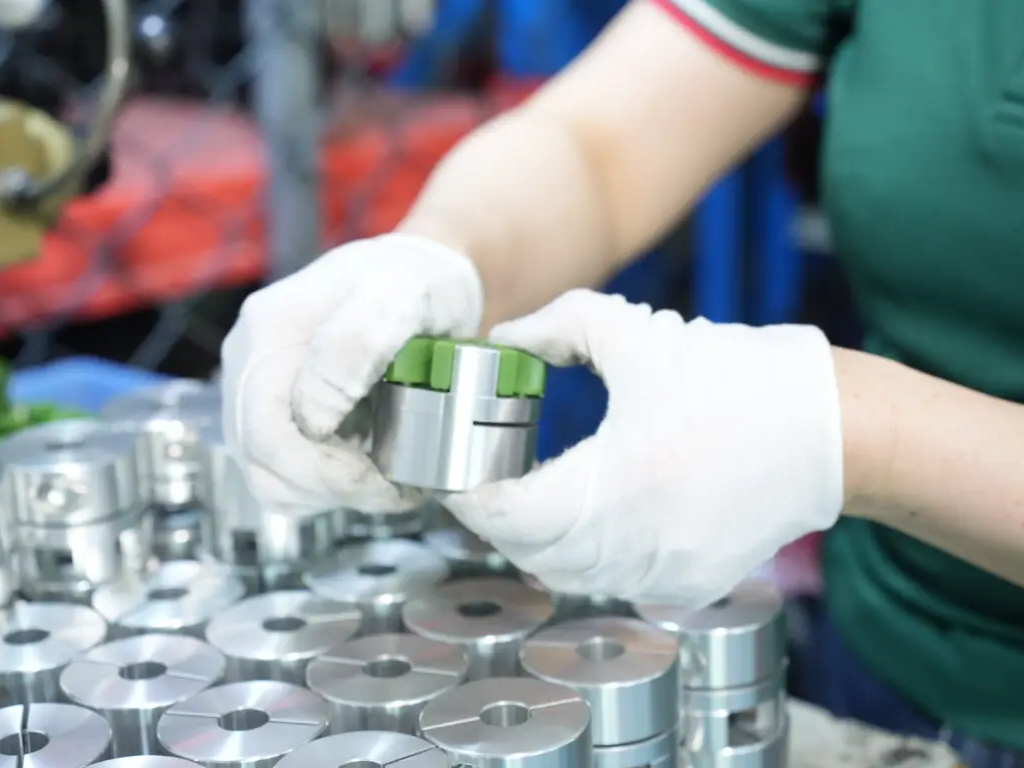
While reliability analysis often terminates at the seal face, veteran engineers recognize the coupling as the silent guardian of the mechanical interface. KUNLONG’s hardware addresses systemic failure at its energetic source: the drive train. Since the majority of seal breaches originate from excessive vibration and shaft misalignment, we provide the foundational stability required for seals to reach their maximum design life.
KUNLONG’s high-performance couplings and jaw couplings are engineered for the most demanding industrial loads, offering superior corrosion resistance and high load-bearing capacity. To ensure near-perfect synchronization, we maintain an exacting tolerance of 0.0005mm—a 99.9995% precision guarantee that eliminates the “micro-wobble” fatal to fragile seal faces. Our rigorous quality control mechanism subjects every batch to a 15-point inspection process, ensuring a certified 20,000+ cycle lifespan.
Whether navigating extreme temperatures or requiring medical-grade antibacterial properties, our couplings act as a mechanical “buffer” against operational stress. By neutralizing harmonic vibrations before they reach the pump chamber, Kunlong doesn’t just supply hardware; we deliver a comprehensive insurance policy for your sealing system’s integrity. Our solutions are designed for those who refuse to compromise on stability, ensuring that your equipment remains operational in the most hostile environments.
Future Trends in High-Performance Sealing Technology
The future of sealing is characterized by the shift of mechanical components to the so-called intelligent systems. We are witnessing the emergence of Smart Seals with micro-sensors that give real-time information about face temperature, pressure and leakage rates. These sensors are input into AI-based predictive maintenance systems that have the capability to compute the remaining useful life (RUL) of a seal, based on the actual operating conditions.
Also, material science is moving towards self-lubricating diamond-coated seal faces, which can endure long durations of dry running without damage. Along with these developments, the use of high-precision hardware, such as the couplings of Kunlong, will also be developed, which will be combined with the sensors of the IoT to offer a comprehensive “health score” of the entire rotating assembly. The aim is a zero-leakage future in which failure is anticipated and averted weeks before it can take place.
Conclusion
Seal failure is not a chance occurrence; it is a physical manifestation of foreseeable stressors. Through a systematic examination of the root causes, which include operational dry running, mechanical misalignment, etc., industrial operators will be able to turn their maintenance departments into firefighters into reliability leaders. To be successful in this effort, it is not only necessary to have high-quality seals, but also to devote themselves to precision installation, compatibility of materials, and the use of high-performance transmission hardware to separate the seal and destructive forces. Finally, the pursuit of sealing integrity is a process of achieving systemic stability, where all the parts of the machine operate in unison to make sure that the silent guardian of the seal never stumbles.