


What a Flush Hinge and a Butt Hinge Actually Are
A jewelry box closes and the lid sits perfectly flat, with no hardware you can catch a fingernail on. A control cabinet door swings open on a visible steel barrel that has carried that door ten thousand times. Two different hinges made both moments work, and the comparison between them, flush hinge versus butt hinge, is really a comparison of two ways of meeting a door.
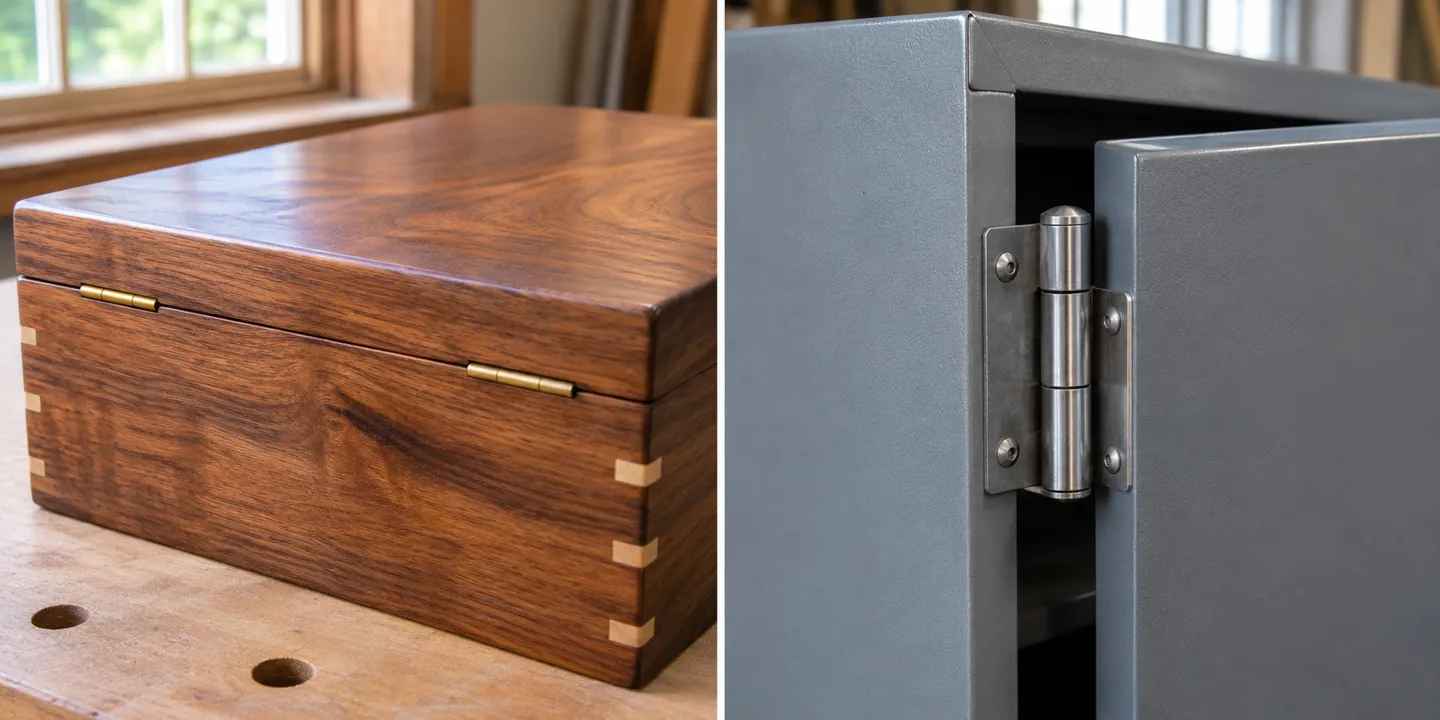
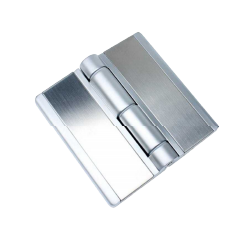
A flush hinge is built for that jewelry box. It uses two thin leaves, and one leaf is formed to nest inside the other. Closed, the stack is barely thicker than a single leaf, so the hinge reads as almost nothing on the surface. It mounts directly onto the face of the door and frame with screws, no recess cut, no router, no chisel.
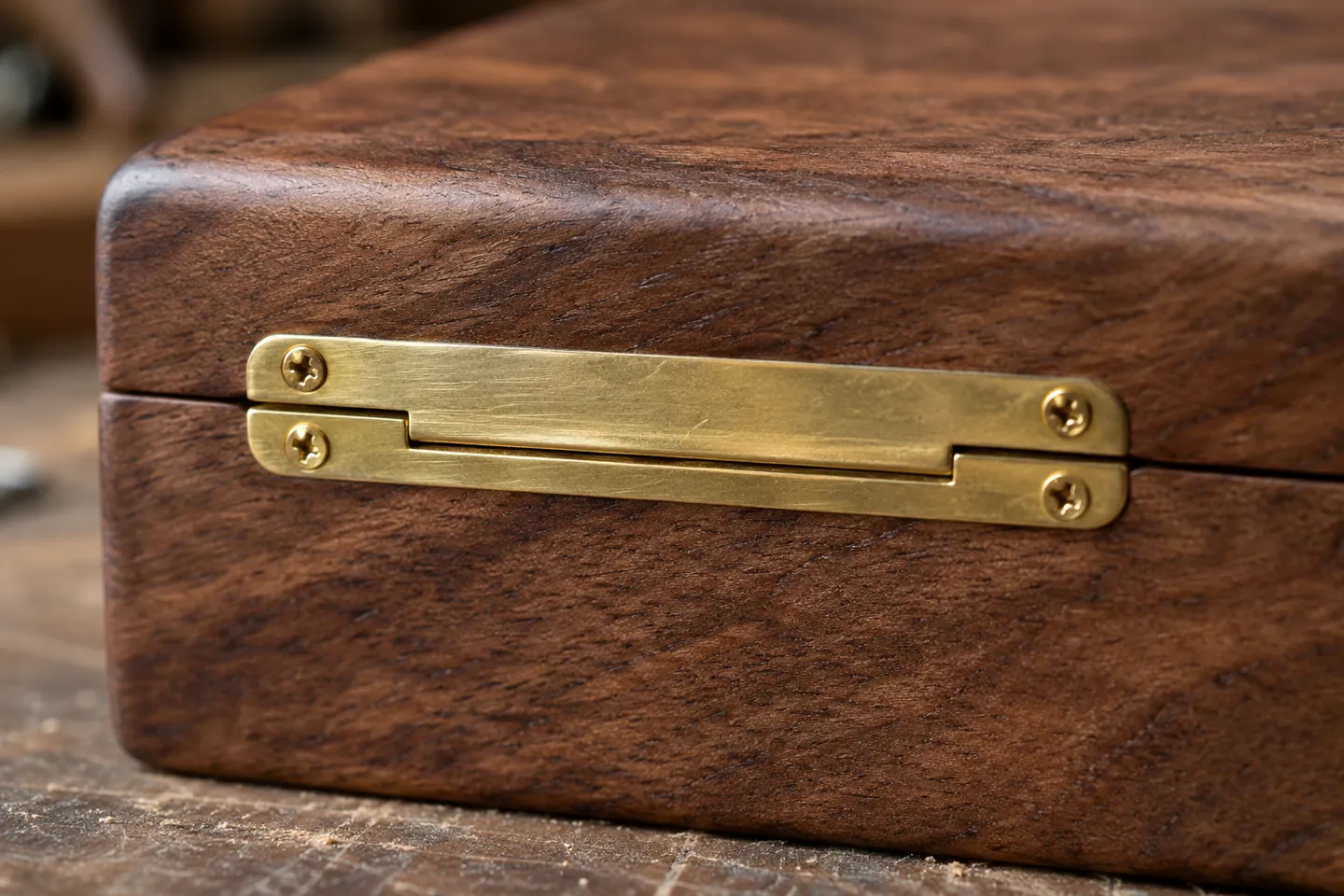
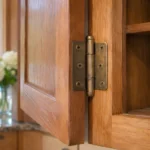
A butt hinge is the other animal. Two full-size leaves connect through a rolled barrel and pin. On doors, the leaves usually sit in shallow recesses cut into both the door edge and the frame, so only the barrel shows when the door is closed. Butt hinges are also made for surface mounting, and they scale from small cabinets up to heavy industrial doors.
One terminology note, then back to work. “Flush” also describes the flat look a well-mortised butt hinge achieves. In this article, flush hinge means the product type: the nested-leaf hinge that mounts on the surface. The distinction matters because people arrive at this comparison wanting the look, not the part.
| Attribute | Flush hinge | Butt hinge |
|---|---|---|
| Structure | two thin leaves, one nests inside the other | two full leaves joined by a barrel and pin |
| Installation | surface mounted, no recess | usually mortised into door edge and frame, surface versions exist |
| Closed look | near-zero stack on the surface | only the barrel shows when recessed |
| Typical carriers | small boxes, light cupboard doors, back-mounted box lids | interior doors, cabinet doors, enclosure and equipment doors |
| Load class | light duty by construction | light through heavy duty, scales with leaf thickness and bearings |
The wider hinge family
Cranked (offset) flush hinge: clears a raised or reversed door edge.
Parliament hinge: swings a thin door clear of thick trim.
Piano hinge: runs the full door height when load wants spreading.
None of these change the main decision; they just cover edge cases.
How Each Hinge Meets the Door: Mounting Geometry and Its Real Costs
Every practical difference between these two hinges flows from one axis: how the hinge meets the door. Surface mounting costs nothing and forgives nothing. Mortising buys the flush look and the load path, and it charges you in setup, geometry, and rework risk.
Surface-Mounted Flush Hinges: Fast, Thin, Limited
Installation is genuinely simple. Screws go straight into the door face and the frame face. No recess, no jig, no dry-fit anxiety. On small boxes, many makers skip the front face entirely and mount flush hinges on the back, where the hardware disappears from view completely.
The limits come from the same nested-leaf geometry that makes installation easy. To let one leaf slip inside the other, both leaves are thin gauge. Thin gauge means limited bearing area, and limited bearing area means the hinge flexes and wears early under real load. Practicing joiners on r/DIY put a number-shaped boundary on it, saying they would not hang anything heavier than a hollow-core door on this style (r/DIY, 2025). Variety is also thin: you will find fewer sizes, materials, and specialty variants than in the butt hinge family.
Mortised Butt Hinges: What the Recess Actually Asks Of You
A mortised butt hinge asks for a shallow recess in both the door and the frame, and it asks precisely. As the Essentra Components guide puts it, butt hinges “often, but not always, sit flush when installed”. How flush they land depends on the recess and on the hinge’s own geometry.

The geometry is the part people get wrong. Many butt hinges are swaged: the leaves are angled so the folded hinge sits slightly open, and that offset exists so the closed door gets its operating gap. One working joiner on r/DIY spells out the arithmetic on real hardware (r/DIY, 2025). His hinge plates run 2.5 mm thick with a 1.5 mm gap between the folded leaves. Against a target 3 mm door gap, each plate stands 0.75 mm proud of its recess. The recess depth, in other words, follows the folded thickness of the whole hinge, not the thickness of one leaf.
The mortise arithmetic on real hardware
Worked example from a working joiner (r/DIY, 2025)
Where Real Projects Go Wrong
The failure record makes the point better than any diagram. On r/BeginnerWoodWorking, a maker posted a beautifully joined box with a lid that would not close (r/BeginnerWoodWorking, 2024). He had mortised each leaf at leaf thickness. His hinges were swaged and did not fold flat, so the lid sat on a visible gap. The fix thread converged on one action: fold the hinge flat, measure the total stack, and cut the mortise to that depth, or switch to an offset hinge style. Notably, several commenters said they now mount flush hinges on the back of boxes by default, because the butt hinge had burned them once too often.
A second failure mode shows up on jobs that are already finished. In r/cabinetry, a reader needed extra doors for an installed cabinet and had to cut mortises in place, working blind inside a fixed opening (r/cabinetry, 2025). The advice that worked: score the outline with a knife, then remove waste with a sharp chisel in shallow passes. A router with a jig is faster. Practice on scrap first. None of this is hard; all of it is slower than people budget for.
Recess depth rule: fold the hinge completely flat and measure the total stack thickness. Cut each mortise to that stack depth, minus the door gap you want the swage to provide. Cutting to single-leaf thickness is the most common flush-fit failure.
That warning card is the whole station in one sentence. Surface mounting avoids the math entirely, and that is exactly why it survives on light doors and box lids.
Load Limits: Where Flush Hinges Stop Being Enough
Carrying capacity here is structural, not a quality ranking. A flush hinge carries through two thin nested leaves. A butt hinge carries through two full leaves and a pinned barrel, and heavy versions add ball bearings so the pin survives high cycle counts. Same door, different skeletons.
So where are the boundaries? For flush hinges, public sources stay qualitative, and honesty requires keeping it that way. Light cupboard doors and box lids sit comfortably inside this hinge’s envelope. The working-joiner ceiling quoted above (nothing heavier than a hollow-core door) is the most concrete line anyone publishes. For butt hinges, the ladder climbs much higher. Interior doors hang in the tens of kilograms. Equipment doors, cold-store doors, and test chamber doors run past 100 kg, and hinge catalogs quote those numbers openly.
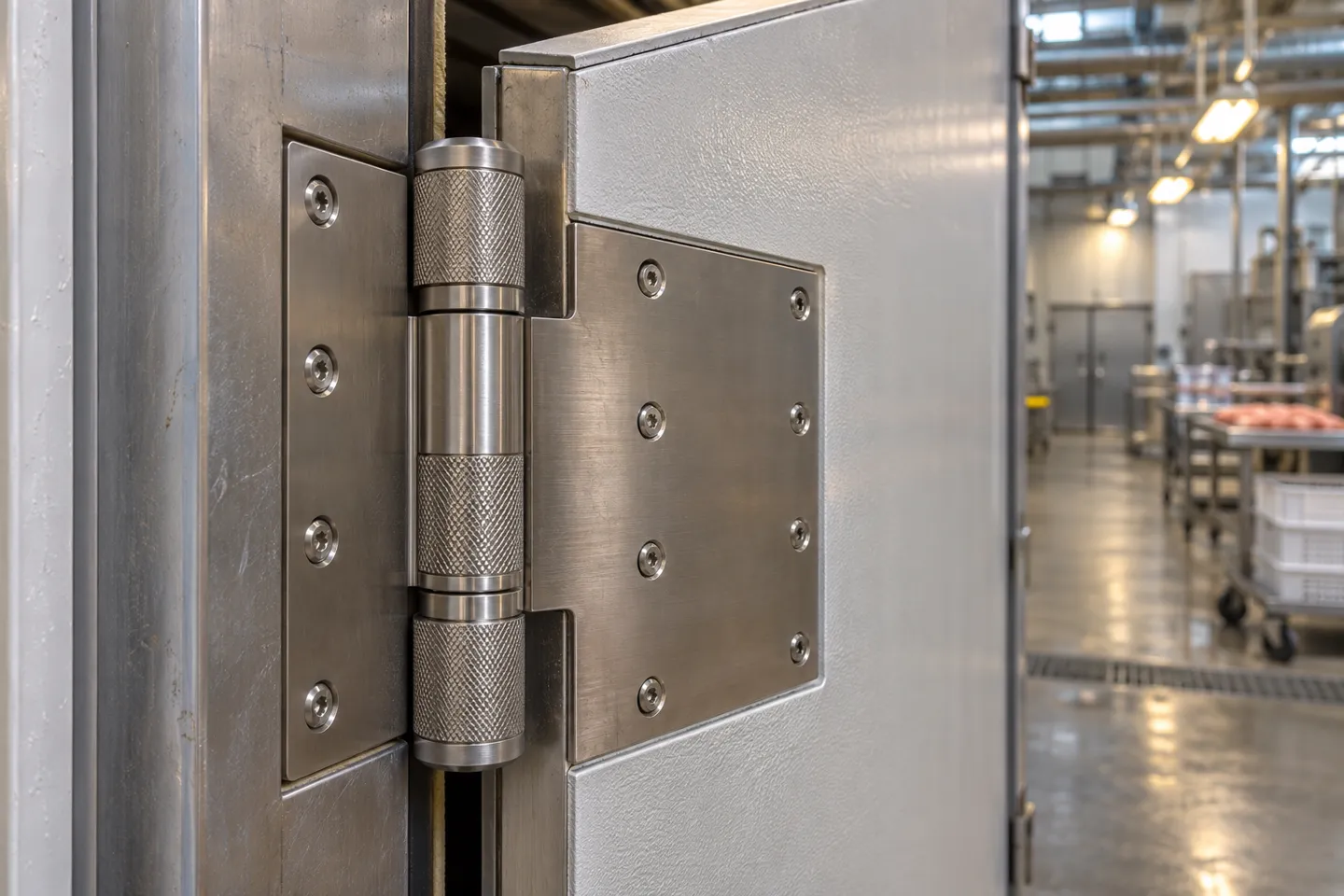
The switch line deserves its own sentence:
The switch line
100 kg
Past roughly 100 kg of door weight, every surface-mounted and flush-mounted option is out.
You are in reinforced butt hinge territory, and you should be choosing by parameters: door weight rating, cycle life, material, and pin type.
One industrial catalog makes the parameters concrete (KUNLONG, 2026). Its heavy-duty butt hinge line is rated for doors over 100 kg, tested to a service life of 24,000+ open-close cycles, in SUS304 stainless. Those four numbers (weight, cycles, material, mounting) are the actual specification conversation.
The trend side adds nuance worth knowing before you decide flush means cheap. In switch cabinet and enclosure work, flush and concealed mounting is rising, not shrinking. EMKA, a major enclosure hardware manufacturer, makes the case directly: a flush hinge stays hidden when closed, saves installation space, and resists weather and tampering from the outside. The same company points to power distribution cabinets, EV charging stations, and server racks as the growing applications. The flush idea did not die at 100 kg; it moved indoors into the cabinet industry as a concealed, engineering-grade solution.
When your door spec moves into parameter territory, match it with a hinge line that publishes its ratings.
Request the heavy-duty specsSpecifying Hinges for Equipment Doors: A Selection Chain
Equipment doors change the question. It stops being “which hinge looks better” and becomes “which hinge survives my door weight, my seal, my environment, and my maintenance schedule”. Walking the chain in order keeps the decision honest.
The Selection Chain: Five Checks Before You Pick
First check load. Weigh the door, add duty expectations, and demand a hinge rating with margin above it. High-cycle doors need bearings, not just thicker leaves. Essentra’s enclosure checklist treats size, material, environment, position, and purpose as the minimum question set for exactly this reason.
Second check sealing and clearance. Surface and concealed housings occupy internal volume, and a hinge placed carelessly can pinch the gasket line or collide with shelves and din rails. Run the door through its full swing against the seal before you commit the cutout drawing.
Third check environment. Moisture, dust, vibration, and washdown chemicals push you toward stainless or properly plated zinc. Take 304 as the default and 316 for chloride exposure. Verify by salt spray test reports in the 400 to 1,000 hour class, not by finish photos.
Fourth check tamper and appearance. An exposed external pin can be driven out from outside; EMKA’s case for concealed mounting on outdoor cabinets and charging stations rests on exactly that. Indoor appearance goals point the same direction in server rooms and glass-front racks.
Fifth check serviceability, which deserves its own section.
Serviceability Is a Spec, Not a Nice-to-Have
Enclosure guides note that removable hinges and lift-off pins cut downtime in electrical and PLC cabinets. The door comes off for component installation or repair without disassembling the frame. The catalog cited above carries the same logic in its butt hinge line (KUNLONG, 2026). A removable-pin model lets you insert and tighten the door after welding the frame. An adjustable-torque model holds the door at any opening angle, set with an Allen key. Ask your supplier which variants they ship with those features, because maintenance crews remember who made the door easy to pull.
The five checks, ready to sign off
- Door weight and duty cycle recorded, hinge rating above it with margin
- Full-swing check against seal and internal clearances done
- Material and finish chosen with salt spray class demanded in writing
- Pin access decided: external, concealed, or captive
- Removal strategy fixed: fixed pin, lift-off pin, or tool-free hinge
One paragraph of buffer, then the matrix that compresses all of it.
The Boundary Matrix
| Door or scenario | Recommended geometry | Key parameters to demand | When to switch plans |
|---|---|---|---|
| Small box lids and light cupboard doors | surface-mounted flush hinge | gauge thickness, screw count into solid stock | door gains glass or heavy fittings: move to mortised butt |
| Flush-inset furniture doors | mortised butt hinge | folded-stack drawing, swage value stated | installed cabinet cannot be reworked: use back-mounted flush |
| Control cabinet and switchgear small doors | concealed or internal flush hinge | internal clearance, opening angle, tamper resistance | interior space too tight for the hinge body: return to surface mount |
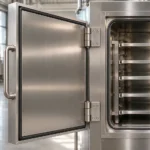
| Equipment, cold-store, and chamber doors over 100 kg | heavy-duty mortised butt hinge, bearings | door weight rating, cycle life rating, SUS304 or 316 | cycle counts extreme: add detachable or heavier pin spec |
| Doors removed frequently for maintenance | butt hinge with removable or lift-off pin | pin retention (captive), tool-free removal | tamper risk outdoors: use concealed with captive pin |
| Corrosive or outdoor environments | stainless or sealed plated hinge | salt spray class 400 to 1,000 h, gasket-compatible mounting | washdown chemicals present: upgrade 304 to 316 |
Read the last column as the deliverable. Every row tells you the condition under which the recommended geometry stops being the answer, which is the part catalogs rarely print.
What to Expect from a Hinge Supplier
By the time you contact suppliers, you know the geometry and the load class. What separates a hardware partner from a parts vendor is whether their numbers survive checking.
Ask for published specifications first: door weight ratings, cycle life figures, material grades, and recess geometry on the drawing, including the folded-stack thickness. If a catalog cannot tell you what a hinge weighs in load terms, you will rediscover it the expensive way, in sag and callbacks.
Ask for verification, not adjectives. Salt spray test reports at the class you need, plating thickness where it matters, and inspection routines on the batch you are buying. Surface-finish consistency matters more on visible flush hinges; pin fit and bearing smoothness matter more on mortised butt hinges, and a supplier should know which conversation you are having.
Ask about the surround, too. Look for CAD models or 3D drawings you can drop into your design, sample policies before production, and written lead times. Then ask whether removable-pin, adjustable-torque, or concealed variants exist in the lines you are actually buying. Each of those items maps directly to a failure mode from earlier in this article, which is why they belong in the first email, not the last.
The Distribution View: Stocking Flush and Butt Lines
For distributors and trading companies, the two hinge families are not competitors on a shelf; they are two different businesses that happen to share a wall. Flush and surface-mounted lines serve light doors and fast installation: the sale is about width of range, finish options, and price. Butt hinge lines, especially heavy-duty, removable-pin, and stainless grades, serve buyers who arrive with parameters and leave when the numbers hold.
The two lines also feed each other customers. The r/BeginnerWoodWorking thread cited earlier ended with makers switching to back-mounted flush hinges after butt hinge installation failures. The trade runs the other way too, once a box outgrows its hardware. Stocking only one side means watching those customers walk to a competitor who carries the exit door. On the demand side, EMKA’s 2025 case for concealed mounting in switch cabinets, EV charging, and server infrastructure says the industrial flush conversation is growing, not fading.
So the stocking stance is simple to state: carry flush and light butt lines wide, and carry parameterized butt lines deep. Before you commit inventory depth, demand the verifiable numbers from your supplier: door weight class, cycle life, salt spray rating, and removable-pin availability. Margins live in the lines whose value a buyer can verify, because those are exactly the lines a catalog price war cannot commoditize.
This is the standard we hold ourselves to as well. KUNLONG stocks more than 3,000 standard products across its entire catalog, ships in-stock items within a week, and carries no minimum order quantity request on catalog items. You can cross-check every figure above against the full hinge range with published load and cycle-life specs (KUNLONG). We keep the removable-pin, adjustable-torque, and heavy-duty variants in the same lines. That way the door weight conversation and the maintenance conversation happen with one supplier.
Spec the whole door from one hinge supplier
Kunlong publishes door weight ratings, cycle life and salt spray classes across 3,000+ standard hinges: in stock items ship within a week, with no minimum order.
Request the hinge catalogReferences
- r/BeginnerWoodWorking. “Where did I go wrong? Hinge not flush.” 2024. https://www.reddit.com/r/BeginnerWoodWorking/comments/1h1xcv8/where_did_i_go_wrong_hinge_not_flush/
- r/cabinetry. “What do you call these flush hinge cuts, and how would I make them for new doors?” 2025. https://www.reddit.com/r/cabinetry/comments/1jnt6nj/what_do_you_call_these_flush_hinge_cuts_and_how/
- r/DIY. “Is it necessary for door hinges to sit flush within a recessed mortise on the edge of a door and its frame?” 2025. https://www.reddit.com/r/DIY/comments/1wt4sa7/is_it_necessary_for_door_hinges_to_sit_flush/