


You’ve probably stood in a hardware aisle staring at hinges that look identical but cost three times different prices. You’re not alone. “I’m confused if I should buy regular butt hinges vs double steel washer ones,” one DIYer posted while replacing hollow doors with solid pine panels. Most types of butt hinges are distinguished by what’s inside the knuckle, not by how they look on the shelf. This guide walks through every major type, then gives you a decision framework you can actually use.
What Is a Butt Hinge (and Why the Name Matters)?
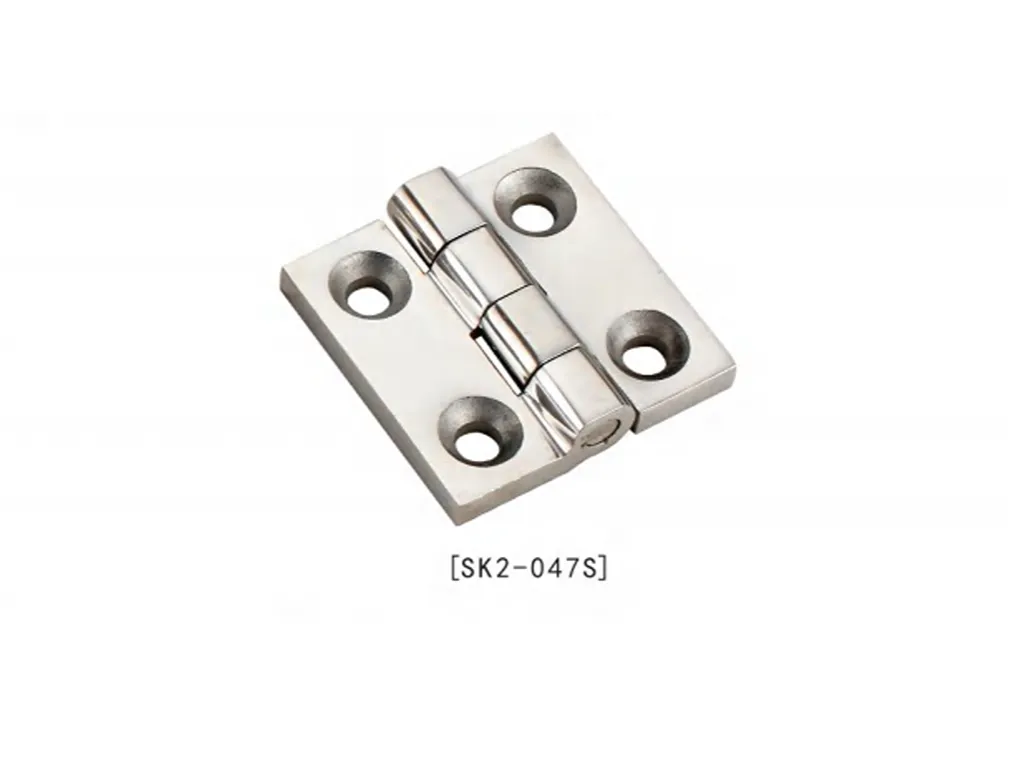
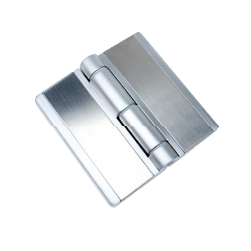
A butt hinge is the classic door hinge: two rectangular plates called leaves, joined by interlocking rolled sections called knuckles, with a pin running through the barrel. The name comes from how the leaves “butt” together when the door closes.
What makes a butt hinge a butt hinge is how it’s mounted. A shallow recess (a mortise) is cut into both the door edge and the frame, so the leaves sit flush with the wood and only the knuckle stays visible. That’s why professionals also call it a mortise hinge, and why it looks neater than surface-mounted alternatives.
Think of it as a sandwich: the two leaves are the bread, the knuckle is the filling, and the pin is the toothpick. The parts even have their own vocabulary — pitch is the distance between matching edges of adjacent knuckles, and smaller pitch means more knuckles and better wear resistance.
Here’s the insight that matters for the rest of this guide: nearly every hinge you’ll compare — plain, washered, ball-bearing — is a butt hinge. The differences live entirely inside that barrel.
Bearing Types: Plain, Washered, and Ball-Bearing
Plain Bearing Hinges
A plain bearing hinge is metal rotating directly against metal — no bearings, no washers, no cushioning. That sounds crude, but it isn’t automatically the wrong choice. Plain bearing hinges are the correct specification for light interior doors in low-use spaces: fewer than about 50 open-close cycles per day, door weight under roughly 200 pounds, no door closer, and an interior, non-fire-rated opening. Storage rooms and bedroom closet doors fit this profile perfectly.
The red lines are just as clear. Put a closer on the door and the constant return torque grinds plain bearing knuckles down fast. Put them on a hospital corridor door cycling thousands of times a day and they’ll sag and bind long before the door’s service life ends. For those jobs, skip ahead to ball bearings — plain bearing is out.
Washered Bearing Hinges
Washered hinges sit in the sweet spot between “cheap” and “heavy-duty.” Instead of bare metal-on-metal contact, thin phosphor bronze washers sit between the knuckles, so the hinge slides quietly and wears far more slowly than a plain bearing — while keeping a slimmer knuckle and a lower price than ball bearings.
This is the exact upgrade the confused DIYer above needed. Solid wood doors are heavier than hollow ones, and washered hinges handle that extra weight without the cost of ball bearings. If you want a quiet door in a family home at a sensible price, washered is usually the answer. (You may also see “grease-packed” hinges — a plain bearing with grease packed into the barrel for smoother operation.)
Ball-Bearing Hinges
Ball-bearing hinges replace sliding friction with rolling friction: small, permanently lubricated ball bearings inside the knuckle carry the door’s weight. The result is a hinge that doesn’t squeak, doesn’t sag, and handles loads the other two types can’t.
These are the only correct choice for entry doors, heavy or wide doors, high-traffic commercial doors — and any door with a closer, no exceptions. In commercial work, the 4.5 x 4.5 ball-bearing hinge is the standard workhorse, rated for doors up to about 400 pounds. Five-inch heavy-weight versions take over for wider doors. They cost more (typically $5–10 per set versus $2 for plain), but they’re the difference between a door that works for decades and one that starts complaining in a year.
Two installation notes from the field: first, ball-bearing hinges are slightly thicker when closed than plain hinges, so retrofitting them changes the gap between door and frame. One carpenter on Reddit found this out after swapping and had to re-adjust the door’s position. Second, if the door swings outward, choose a non-removable pin (NRP) version so nobody can tap the pin out from outside.
| Bearing type | How it works | Best for | Don’t use on |
|---|---|---|---|
| Plain bearing | Metal-on-metal knuckles | Light interior doors, low use, no closer | Doors with closers, heavy or high-traffic doors |
| Washered | Phosphor bronze washers between knuckles | Solid-core home doors, quiet operation at low cost | High-frequency commercial doors |
| Ball-bearing | Sealed ball bearings, rolling contact | Entry doors, heavy doors, any door with a closer | Nothing — it’s the upgrade path |
Special-Function Butt Hinges: Rising, Spring, and Lift-Off
Some butt hinge types add a special action on top of the basic leaf-and-pin construction. These four solve specific door problems — and they’re all still butt hinges underneath.
| Type | What it does | Best for | Watch out for |
|---|---|---|---|
| Rising butt | Lifts the door about half an inch as it opens | Doors over thick carpet or uneven floors | Must be ordered left- or right-handed |
| Spring (self-closing) | A spring returns the door to closed | Screen doors, fire doors, cabinets | Tension needs periodic adjustment |
| Lift-off | Male leaf on the door, female on the frame | Doors that must come off often — deliveries, maintenance | Use fixed-pin versions where the hinge is exposed |
| Double-action | Swings both ways and self-centers | Restaurant and service doors | Needs top and bottom clearance |
If you’re picturing a specific door in your home while reading this table, you’re using it correctly. And if the hinge you’re choosing belongs to a machine rather than a building, hold that thought: those hinges get their own section later.
Butt Hinge Sizes, Spacing, and Mounting: Getting the Numbers Right
Choosing the right type means nothing if the size and spacing are wrong. These are the numbers professionals memorize.
Sizes. Standard interior doors use 3-inch butt hinges, fitted as a pair. Exterior doors and heavy interior doors move up to 4-inch hinges, whose longer leaves distribute load over more of the door. In commercial construction, the 4.5 x 4.5 hinge is the default spec — the size tables live in ANSI/BHMA A156.1, the official standard for butts and hinges (BHMA, 2025).
How many hinges per door. The rule of thumb is one hinge for every 30 inches of door height:
- Doors up to 60 inches tall: two hinges
- Doors 60–90 inches tall: three hinges
- Doors 90–120 inches tall: four hinges
- Extra-wide doors (over 37 inches): add one more
Most interior doors land at 80 inches, which is why three-hinge doors are the professional standard, a convention DIY forums debate endlessly. The 30-inch rule settles it.
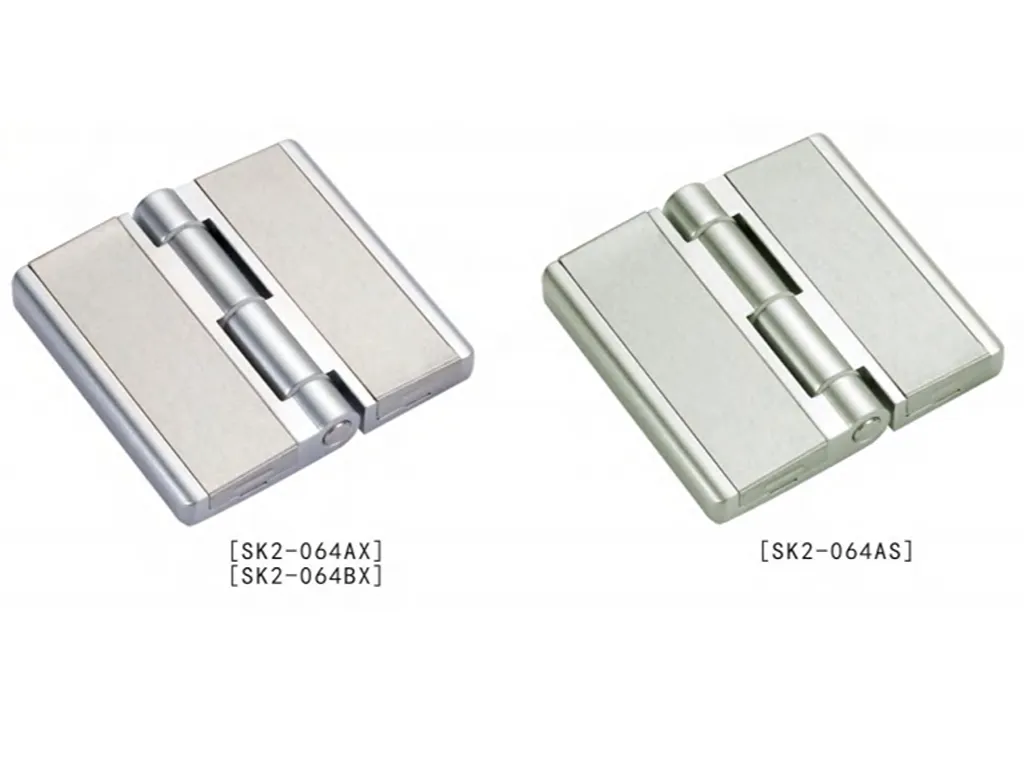
Placement and mounting. Position the top hinge 5–7 inches below the door’s top edge and the bottom hinge 10–11 inches above the floor. For mounting, full mortise (both leaves recessed) is standard for doors; half-mortise and surface-mounted configurations show up on gates, screens, and industrial panels.
One weight fact worth knowing: a commercial hollow metal door runs about 6.5 pounds per square foot, so a standard 3 x 7 door weighs 135–140 pounds before hardware. That number is why the bearing rules above exist.
Materials and Finishes: Matching the Environment
The same hinge type, made from a different material, is a different product — especially outdoors. Here’s how the common materials sort out.
| Material | Strength | Corrosion resistance | Typical use | Common finishes |
|---|---|---|---|---|
| Carbon steel | High | Low — needs coating | Interior doors, budget hardware | Zinc plating, powder coat |
| Stainless steel (304) | High | High | Kitchens, food areas, humid rooms | Brushed, polished |
| Stainless steel (316) | High | Very high — salt-resistant | Coastal, marine, outdoor equipment | Brushed, polished |
| Brass | Medium | Medium | Decorative interior doors | Polished, antique |
| Aluminum | Low-medium | High | Lightweight panels, low-load doors | Anodized |
The practical takeaway: indoors in a dry room, coated steel does the job for the lowest cost. Anywhere with moisture, food processing, or salt air, step up to stainless — and specifically 316 rather than 304 in marine or coastal environments. Brass is the classic choice when the hinge is part of the furniture, not hidden by it.
Choosing the Right Butt Hinge: A Simple Decision Framework
You now know more than most hardware store staff. Here’s the entire decision compressed into one table you can read with your hand on the door in question.
| Your situation | Choose | Why |
|---|---|---|
| Light interior door, low traffic | Plain bearing | Correct spec at the lowest cost |
| Solid-core home door, want it quiet | Washered | Quiet operation without ball-bearing cost |
| Entry door, heavy door, or any door with a closer | Ball-bearing | The only bearing that survives the load |
| Door scrapes thick carpet | Rising butt | Lifts the door clear as it opens |
| Door must close by itself | Spring (self-closing) | Built-in return action |
| Door comes off regularly | Lift-off | Tool-free removal |
When you replace, step up one bearing class — plain to washered, washered to ball-bearing. Most buyers regret replacing like-for-like, not upgrading.
One final note for anyone replacing hinges on multiple doors: butt hinges follow ANSI/BHMA template patterns, so a hinge from a different brand in the same size class fits the same preps without re-mortising. Template compatibility, not brand loyalty, is what keeps a replacement job from turning into a carpentry project.
Beyond Doors: Butt Hinges in Industrial Equipment and Enclosures
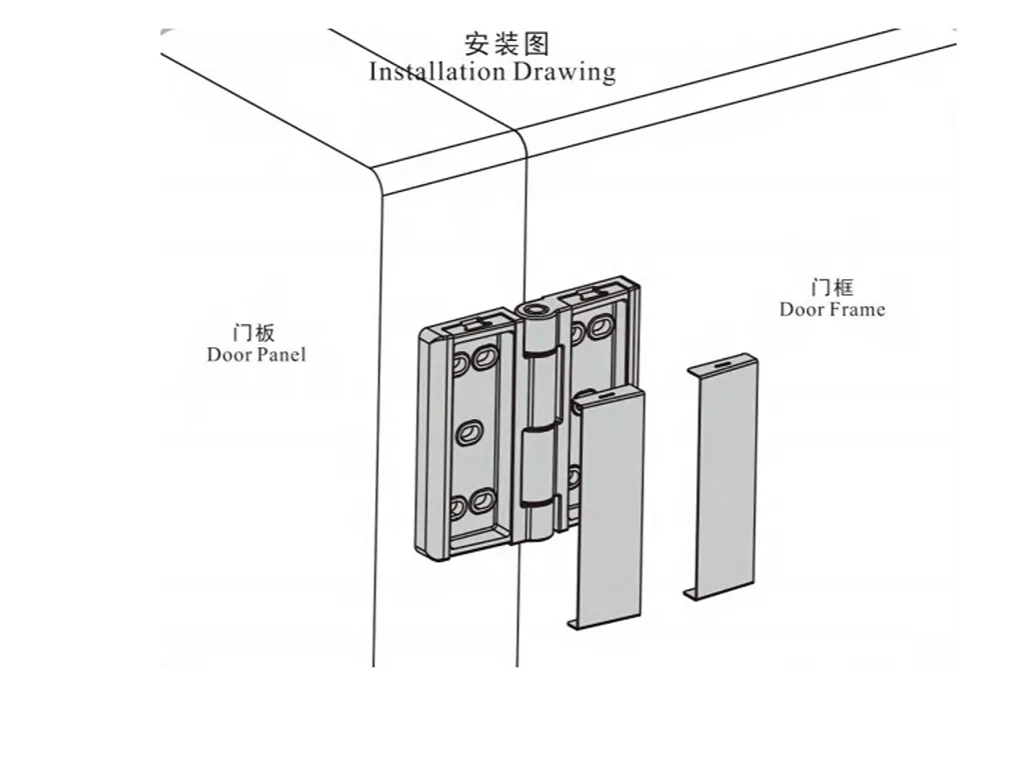
Everything above assumes a door in a building. The types that follow are the ones mainstream door-hinge guides skip — they live in equipment catalogs, not hardware store aisles. Move the same hinge onto a machine and every question changes: how far does it need to open — 90 degrees or 270? Does it need to hold position at an angle? Does it come off without tools for maintenance? The door world’s default answers don’t survive contact with equipment.
Industrial Hinge Types You Won’t Find at the Hardware Store
These are the workhorses of enclosure and equipment engineering. Same leaf-and-pin DNA, re-engineered for duty cycles a front door never sees.
| Type | Key feature | Typical duty |
|---|---|---|
| 270-degree leaf (butt) hinge | Opens a full 270 degrees for flush-mounted doors | Enclosure doors and equipment panels that must fold fully open |
| Refrigerator hinge | Cold-rated construction built for sub-zero duty | Cold storage units, refrigeration equipment, cold-chain transport |
| Torque / position-control hinge | Holds position at set angles (80/110/150-degree detents) | Medical displays, machine covers, panels |
| Detachable (lift-off) hinge | Male/female leaves separate without tools | Equipment doors removed for servicing |
| Heavy-duty butt hinge | Oversized knuckle and thicker gauge | Test chambers, oven doors over 100 kg |
| Stainless steel hinge | Corrosion resistance for washdown duty | Food, pharma, cold chain — plus marine, subway, and outdoor antenna duty |
| Offset (swing-clear) hinge | Swings the door fully clear of the opening | Swing-clear enclosures, ADA-width access, narrow corridors |
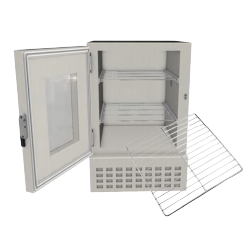
Walk a real equipment floor and this one family shows up everywhere: mini ovens, temperature-and-humidity chambers, LED test stations, semiconductor tools, automation lines, marine and food-processing machinery, even outdoor base-station antennas — often with dust-free bushing blocks where cleanrooms care about what a hinge sheds. Consider an environmental test chamber as the extreme case: the door must seal at −70°C and stay stiff at 260°C, carry its own considerable weight, and cycle thousands of times between inspections. That is not a hardware store problem. It’s an engineering specification.
Specifying Industrial Hinges: Loads, Cycles, and Materials
When equipment hinges move from catalog picks to purchase orders, the conversation shifts to four numbers.
- Load. Equipment doors frequently exceed 100 kg — far beyond the tables that govern building doors. The hinge’s rated load, not its length, is the spec that matters.
- Cycles. Industrial buyers now routinely require 20,000+ open-close cycles verified by testing. Under that threshold, a hinge on a production machine is a scheduled failure point.
- Corrosion. For outdoor and washdown equipment, salt-spray test hours (400–1,000) are the procurement language — a hinge either survives the test or it doesn’t belong on the machine.
- Consistency. When hinges ship across production batches, hole-pattern accuracy in the half-millimeter range keeps assembly lines moving. A 1 mm drift across batches means rework on every cabinet in the line. That’s why experienced buyers pay for batch stability, not for a lower unit price.
A working catalog makes this spectrum concrete. KUNLONG’s butt hinge line, for instance, spans the full set above — refrigerator hinges for cold-chain doors, offset hinges for swing-clear access, torque and position-control hinges for panels that must hold their angle, 316 stainless versions for marine and outdoor antenna duty — with each model’s load, material, and finish published alongside its target equipment in a single-page butt hinge range. For equipment builders, that page is the fastest route from the table above to part numbers.
Why Identical-Looking Hinges Cost 3x More
Go back to that hardware aisle. A plain hinge costs about $2; a ball-bearing hinge, $5–10. They look nearly identical. Retail buyers can rarely explain the difference — and that confusion, repeated across millions of door replacements, is itself a market signal.
The pattern runs deeper than price. Replacement purchases are triggered by noise and sag — the symptom of worn bearings — not by an understanding of bearings. Buyers therefore lean on retail advice and reviews, because load ratings and cycle data simply don’t reach the retail shelf. That missing data is exactly where the price gap lives: without published numbers, a better hinge and a worse one are indistinguishable at the counter, and price becomes the only information left. The disappointment then lands in a familiar place. The cheap hinge wears out, the door scrapes, and the owner pays twice. The blind spots compound it. Paint over a hinge’s barrel and you’ve ruined it, but nobody at the point of sale says so. Upgrade to ball bearings and the closed thickness changes, but no packaging mentions it.
For the businesses behind this market, three things follow directly. First, hinge makers who won’t publish load and cycle data can only ever compete on price — transparency is the precondition for charging for quality. Second, upgrade replacements need installation guidance shipped with the product, because when a retrofit door sits wrong, the review blames the hinge, not the geometry. Third, translating the numbers professionals already demand — 20,000 cycles, 400–1,000 salt-spray hours — into language a homeowner can act on is how suppliers escape the commodity shelf entirely.
The same hinge, meanwhile, is three different products in three different businesses. In retail, it’s a small-ticket instant purchase where stocked range and clear pricing win. In contractor and facility work, it’s a mid-batch item that must pass hardware schedules — same template, same prep, different brand, no rework — where compatibility and delivery dates decide the order. And in OEM equipment manufacturing, it’s a volume component gated by drawings, samples, and batch consistency, where unit price is the least sensitive variable and verified data decides everything. A supplier that treats these three as one market prices itself out of two of them.
All of this explains why experienced equipment buyers treat hinge selection as engineering, not shopping: the data retail buyers never see (cycle-life tests, salt-spray hours, tolerance control) is precisely what an OEM must receive before trusting a production line to a part. Suppliers that publish it, and back it with stock depth, are the ones those buyers return to. KUNLONG is one of the suppliers that does both: more than 3,000 hinge models ship from stock within 7 days, and an engineer answers specification questions within 24 hours. You can browse the full range in their industrial hinge catalog.
References
- [Builders Hardware Manufacturers Association (BHMA)]. “ANSI/BHMA A156.1-2025 — Butts and Hinges.” 2025.
- [KUNLONG]. “Industrial Hinges.”
- [KUNLONG]. “Butt Hinges.”
- [KUNLONG]. “Homepage.” https://kunlonghardware.com/